

Everything you need to know about choosing, layering, and caring for thermal and fleece clothing to keep your kids cosy from school runs to snow days
It’s 7:15 am on a freezing Tuesday morning. Your daughter is standing in the hallway refusing to put on her coat because she’s “too hot,” but you know the moment she steps outside, she’ll be complaining she’s cold. Sound familiar? Every parent faces this daily battle during winter months, trying to keep kids comfortable without turning mornings into a wrestling match.
The secret isn’t just about piling on more layers. It’s about understanding the difference between thermal and fleece clothing and knowing when to use each one. Get it right, and your mornings become easier, your kids stay comfortable all day, and you’ll actually get value from the winter clothes you buy.
Quick Answer: Which Should You Choose?
Thermal clothing works best as a base layer next to the skin for maximum warmth in very cold weather (below 5°C). It’s thin, discreet, and perfect under school uniforms.
Fleece clothing is better as a mid-layer for active kids who run around a lot. It’s breathable, handles sweat well, and great for playground time or sports.
Best of both worlds? Many parents use thermal base layers with fleece on top for extremely cold days or outdoor activities.
What’s in This Guide
- Understanding Thermal and Fleece Materials
- When to Wear Thermal vs Fleece
- Choosing by Age: Babies to Tweens
- The School Uniform Solution
- Options for Sensitive Skin and Eczema
- Real Parent Scenarios
- Smart Shopping on a Budget
- Washing and Care Tips
- Common Mistakes to Avoid
- The 3-Layer Rule for Winter
- Frequently Asked Questions
Understanding Thermal and Fleece Materials
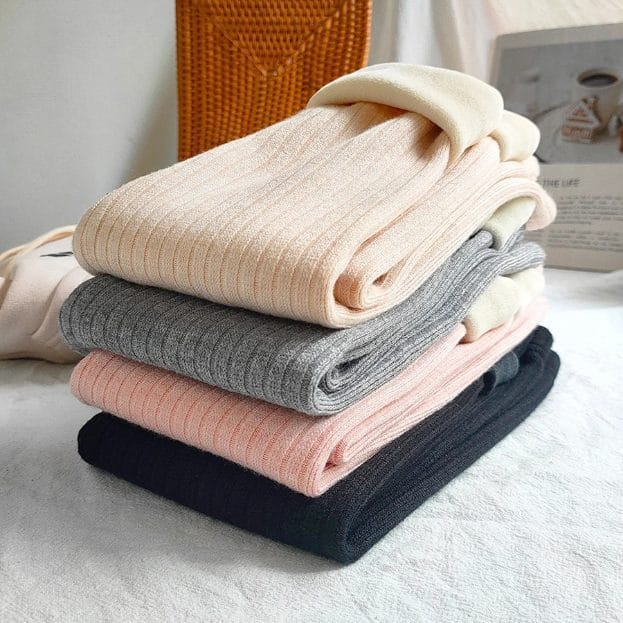
Before we get into which one is warmer (we’ll cover that next), let’s understand what these materials actually are and how they work to keep kids warm.
What Are Thermal Fabrics?
Thermal fabrics are designed to trap body heat close to the skin. Think of them as creating a warm bubble around your child’s body. They usually have a waffle-like or ribbed texture that creates tiny air pockets. These pockets hold warm air and act as insulation.
Most kids’ thermal wear is made from:
- Cotton blends: Soft and comfortable but can hold moisture if kids sweat
- Synthetic materials: Polyester or polypropylene that wick moisture away from skin
- Merino wool: Natural, breathable, and doesn’t smell even after multiple wears
- Bamboo viscose: Soft, hypoallergenic, and good for sensitive skin
Thermal clothing is thin and fitted, making it perfect for layering under regular clothes without adding bulk. Your child can wear thermal leggings under their school trousers, and nobody will even notice.
What Is Fleece?
Fleece is that soft, fuzzy fabric that feels like a warm hug. It’s made from polyester fibres that are brushed to create a fluffy texture. This texture traps air between the fibres, creating thousands of tiny insulating pockets.
The clever thing about fleece is that it’s breathable while still keeping kids warm. When your child runs around at playtime and works up a sweat, fleece lets that moisture escape instead of trapping it against their skin.
Fleece comes in different weights:
- Microfleece (100-200 weight): Lightweight and thin, good for mild cold or layering
- Midweight fleece (200-300 weight): The most common type, balances warmth with bulk
- Heavyweight fleece (300+ weight): Very warm but bulky, best for extreme cold
For more details on how fleece fabric works and its properties, there are excellent technical guides available.

Which Is Warmer: Fleece or Thermal?
This is the question every parent asks, and the answer is: it depends on the situation.
Thermal clothing is warmer in extreme cold when kids aren’t moving around much. It’s designed to hold heat close to the body, making it perfect for standing at the bus stop, sitting in a cold classroom, or walking to school on freezing mornings.
Fleece is warmer for active kids because it manages moisture better. When children run, play, and sweat, thermal clothing can become damp and actually make them feel colder. Fleece stays warm even when slightly damp and lets moisture escape.
| Feature | Thermal | Fleece |
|---|---|---|
| Best Used As | Base layer (next to skin) | Mid-layer (over base layer) |
| Thickness | Very thin and fitted | Bulkier and softer |
| Moisture Management | Varies by material | Excellent (stays warm when damp) |
| Perfect For | Cold mornings, standing still, under uniforms | Active play, sports, outdoor adventures |
| Drying Time | Slow (especially cotton) | Very fast |
| Visibility | Hidden under clothes | Usually worn as visible layer |
| Price Range | £8-25 per piece | £10-35 per piece |
When Should Kids Wear Thermals or Fleece?

Knowing the right temperature ranges helps you dress your kids appropriately without overdoing it. Here’s a practical guide based on UK weather patterns:
Temperature Guide for Kids’ Winter Clothing
When Should Kids Wear Thermals?
The simple answer: when it’s consistently below 10°C and they’ll be outside for more than 10 minutes at a time. But let’s get more specific:
Definitely use thermals when:
- Walking to school in temperatures below 5°C
- Your child complains about being cold even with a coat on
- They’ll be standing still outdoors (waiting for the bus, playing goalkeeper)
- School classrooms are poorly heated
- Going on winter day trips or outdoor activities
- Your child is naturally cold all the time
Skip thermals when:
- It’s above 10°C and your child is active
- They’ll be indoors most of the day with good heating
- Your child tends to overheat easily
- They’re doing high-energy sports or activities
Choosing Thermal and Fleece by Age

Different ages have different needs. A thermal set that works for a toddler won’t be right for a 10-year-old. Here’s what to consider for each age group:
Best choice: Thermal bodysuits that snap at the crotch for easy nappy changes. Avoid fleece directly against skin for very young babies.
Key considerations: Babies can’t regulate their temperature well yet. Use the “one more layer than you’re wearing” rule. For car seats, remember that bulky fleece jackets aren’t safe. Use thin thermal layers instead, then add a blanket over the harness once they’re strapped in.
Watch for: Overheating is as dangerous as being cold. Feel the back of baby’s neck. If it’s sweaty, remove a layer.
Best choice: All-in-one thermal suits or separate tops and bottoms. Fleece pullovers with zips are easier than over-the-head styles.
Key considerations: Toddlers are constantly moving and frequently need nappy changes or trips to the toilet. Choose thermal clothing with easy access. Fleece jackets with big zips they can manage themselves help build independence.
Sizing tip: Buy slightly bigger in thermals as they need to fit close but not tight. Tight thermals can restrict movement and make them uncomfortable.
Best choice: Thermal sets they can put on themselves. Lightweight fleece jackets for school that fit in their bag or locker.
Key considerations: This is the age when kids start caring about appearance. Choose neutral colours that match everything or let them pick patterns they like. They’re also learning to dress themselves, so simple designs work best.
School note: Check if thermal layers show through white school shirts. If they do, choose nude or white colours instead of bright ones.
Best choice: Thermal leggings and fitted tops that look like regular athletic wear. Stylish fleece hoodies or zip-ups they’ll actually want to wear.
Key considerations: Kids this age are very aware of how they look. They won’t wear thermals if friends can see them or if they look “babyish.” Opt for sleek, sporty designs in colours they choose. This age group is also starting puberty, which affects temperature regulation.
Activity level: They’re often doing sports or PE, so breathable moisture-wicking thermals or lightweight fleece work better than heavy materials.
What Age Range Are Kids’ Fleece Jackets For?
Fleece jackets work for all ages from 12 months onwards, but the style changes with age. Toddlers (1-3 years) do well with simple pull-over fleece or quarter-zip styles that are easy for parents to get on and off. Young children (4-7 years) can handle full-zip fleece jackets, which they can manage themselves. Older children (8-12 years) prefer athletic-style fleece hoodies or jackets that look trendy.
For babies under 12 months, fleece is better used as an outer layer like a fleece vest or bunting rather than as clothing that touches their skin directly.
The School Uniform Solution: Keeping Kids Warm Without Breaking Rules

This is where many parents struggle. School uniform policies can be strict, but your child still needs to stay warm. The good news is that most schools allow thermal base layers as long as they’re not visible.
How to Keep Kids Warm in School Uniform
The secret is invisible layering. Here’s the system that works:
For girls wearing skirts or pinafores:
- Thermal tights (not regular thick tights) in black, grey, or nude
- If school allows trousers, add thermal leggings underneath
- White or skin-tone thermal vest under the shirt
- School jumper or cardigan as mid-layer
- Keep a fleece in their bag for outdoor play
For boys or girls wearing trousers:
- Thermal long johns or leggings under school trousers
- White thermal vest or long-sleeve top under school shirt
- School jumper as mid-layer
- Vest or thin fleece gilet under jumper if still cold
The PE Kit Problem
Many parents worry about PE days. Your child needs to change quickly in a cold changing room, but can’t wear bulky layers under their PE kit. Here’s what works:
- Thermal leggings under PE shorts or tracksuit bottoms
- Long-sleeve thermal top under PE t-shirt (most schools allow this)
- If outdoor PE, add a fleece that matches school colours
- Pack an extra thermal layer in their bag they can put on after showering
For outdoor PE in very cold weather, speak to the teacher. Most are happy for children to wear extra layers as long as they’re safe and appropriate.
Playground Solutions
The playground is where kids get coldest because they’re standing around or playing less active games. The problem is they can’t (or won’t) wear their big coats during break time.
Solution: A thin fleece that fits under their blazer or over their jumper. Choose one in school colours so they’ll actually wear it. It provides enough warmth for a 15-20 minute break without the bulk of a winter coat.
Options for Sensitive Skin and Eczema
If your child has eczema, allergies, or very sensitive skin, choosing winter layers becomes even more important. The wrong fabric can trigger a flare-up that takes weeks to heal.
Best Thermal Options for Sensitive Skin
According to the National Eczema Society, the best fabrics for eczema-prone skin are:
- 100% cotton thermals: Soft, breathable, but avoid cotton-rich blends that contain polyester
- Bamboo viscose thermals: Naturally hypoallergenic, very soft, and has antibacterial properties
- Fine merino wool: Superfine merino (17.5 microns or less) is smooth enough for most sensitive skin
- Silk thermals: Naturally antibacterial and very smooth, though expensive
Avoid these materials if your child has eczema:
- Regular wool (too scratchy and can irritate skin)
- Synthetic thermals with rough textures
- Any fabric with raised seams that rub
- Materials treated with chemicals or heavy dyes
Is Fleece Safe for Eczema?
This surprises many parents, but lightweight fleece can actually work well for eczema if used correctly. The key is:
- Never put fleece directly against skin. Use a cotton or bamboo base layer first
- Choose microfleece or lightweight fleece, not heavyweight
- Avoid fleece that sheds fibres or feels scratchy
- Wash fleece before first wear to remove manufacturing chemicals
The main risk with fleece for eczema-prone kids is overheating. Fleece is very warm, and when kids with eczema get hot and sweaty, it can trigger itching. Watch your child for signs they’re too warm and remove layers as needed.
Real Parent Scenarios: What to Wear When

Theory is great, but let’s look at real situations you’ll face as a parent. Here’s what actually works:
The situation: It’s 7:30 am, temperature is -2°C, and you need to walk 10 minutes to school. Your child will be standing in the playground for 10 minutes before going inside.
What works:
- Thermal vest and thermal leggings as base layer
- School uniform over the top
- School jumper or cardigan
- Warm winter coat, hat, scarf, and gloves
- Thick socks and waterproof boots
Why it works: The thermal base layer holds heat during the walk. Once inside, they can remove coat, hat, and scarf but stay comfortable in lessons thanks to the thermal layer. The school uniform over thermals keeps them within dress code.
The situation: Your child’s class is visiting a farm or outdoor museum. They’ll be outside walking around for 5 hours with one indoor lunch break.
What works:
- Moisture-wicking thermal base layer (not cotton)
- Fleece mid-layer that’s easy to remove
- Waterproof jacket on top
- Thermal leggings under trousers
- Pack a spare thermal top in case they get sweaty
Why it works: Kids will be walking a lot, which generates heat. The moisture-wicking thermal moves sweat away from skin. The fleece provides warmth but can be removed if they get too hot. The waterproof outer layer protects from unexpected rain.
The situation: Football or hockey practice from 4-5:30 pm. Temperature dropping, it’s getting dark, and kids will be running around then standing listening to coach.
What works:
- Lightweight thermal or moisture-wicking base layer
- Sports kit over the top
- Lightweight fleece jacket to put on during breaks
- Thermal gloves and headband for outdoors
Why it works: The base layer handles sweat from exercise. The fleece jacket can go on when they’re standing still listening to instructions. They can remove it quickly when play starts again. This prevents the warm-cold-warm-cold cycle that makes kids miserable.
The situation: A Christmas party, birthday celebration, or family event in a heated venue. Kids will be running around playing games.
What works:
- Skip thermals completely (they’ll overheat)
- Party outfit with normal underwear
- Light cardigan or jacket they can remove
- Warm coat only for getting to and from venue
Why it works: Indoor heating plus running around equals hot kids. Thermals will make them uncomfortable and sweaty. A simple layer they can remove is much better.
The situation: Kids want to build a snowman, have snowball fights, and play outside for hours. Temperature is -1°C and snow is falling.
What works:
- Full thermal base layer set (top and bottoms)
- Thick fleece mid-layer (or two lighter fleece layers)
- Waterproof snow suit or separate waterproof jacket and trousers
- Waterproof gloves and boots
- Warm hat that covers ears
Why it works: Multiple layers trap heat effectively. The waterproof outer layer keeps them dry. If they get too warm, they can remove the fleece layer. Having spare thermal tops and gloves in the house means they can come in, change what’s wet, and go back out again.
Smart Shopping on a Budget: Getting the Best Value

Let’s be honest, kids grow fast and winter clothing can get expensive. Here’s how to buy smart without sacrificing quality or comfort.
When to Splurge vs When to Save
Worth spending more on:
- Merino wool thermals: They last for years, don’t smell, and can be passed down to younger siblings
- Quality fleece jackets: Good fleece doesn’t pill, fade, or lose shape. Buy one size up and it’ll last two winters
- Items for sensitive skin: If your child has eczema, investing in proper hypoallergenic fabrics saves money on creams and doctor visits
Where you can save:
- Basic thermal tops and leggings: Supermarket brands work fine for base layers that won’t be seen
- Cotton thermal vests: Simple, affordable, and do the job well
- Extra layers for backups: Budget brands for spare sets to keep at school or grandparents’ house
Cost Per Wear: The Real Value
Here’s something most parents don’t think about: cost per wear. A £20 thermal set worn twice a week for 20 weeks is just 50p per wear. A £5 set that falls apart after 5 wears costs £1 per wear.
Sizing Smart: Room to Grow
The eternal parent question: do I buy to fit now or buy bigger for growth?
For thermals: Buy to fit now or just slightly bigger. Thermals need to fit close to the skin to work properly. Too big and they won’t trap heat effectively. They also don’t look good bunched up under clothes.
For fleece: Buy one size up. Fleece works just as well a bit bigger, and you’ll get two winters out of it. Roll up sleeves in the first year if needed. By year two, it’ll fit perfectly.
Growth calculator: Most kids grow 5-7cm per year. If your child is at the top of their current size, they’ll probably need the next size up in 6 months. Plan accordingly.
Multi-Child Strategy
If you have multiple children, buy quality in neutral colours that work for any child. A good thermal set in grey, navy, or black can be passed from child to child. Keep items in good condition by following care instructions (we cover this next).
For items that will be handed down:
- Choose plain colours over patterns (patterns date quickly)
- Invest in slightly better quality (they need to survive multiple children)
- Keep a size chart showing which child wore what when
- Store out-of-season items in vacuum bags to save space and protect from moths
Washing and Care: Making Winter Layers Last

Proper care can double or triple the life of thermal and fleece clothing. Here’s what actually works (and what damages these materials).
How to Wash Thermal Clothing
General thermal washing rules:
- Wash inside out to protect the fabric surface
- Use cold or warm water (30°C max) – hot water breaks down elastic
- Choose gentle or delicate cycle
- Use half the amount of regular detergent
- Skip fabric softener completely (it reduces wicking ability)
Material-specific care:
- Cotton thermals: Can go in the dryer on low, but air drying preserves them better
- Merino wool thermals: Hand wash or wool cycle only, lay flat to dry
- Synthetic thermals: Machine wash cold, hang to dry (they dry fast)
- Bamboo thermals: Gentle cycle, cold water, air dry to prevent shrinking
How to Care for Fleece Material
Fleece is actually quite easy to care for, but there are a few rules to keep it soft and fluffy:
- Wash in cold water (30°C) on a gentle cycle
- Turn inside out to reduce pilling
- Zip up all zips to prevent snagging
- Don’t use fabric softener (it makes fleece less effective)
- Air dry or tumble dry on the lowest heat setting
- Don’t iron fleece (it will melt)
Dealing with pills (those little fabric balls): Even good fleece develops pills over time. Use a fabric shaver or a clean disposable razor (carefully) to remove them. This makes fleece look new again and doesn’t damage the fabric.
How Often Should You Wash?
This might surprise you, but you don’t need to wash thermal and fleece after every wear:
- Thermals worn as base layers: Wash after 1-2 wears (they’re against skin so pick up sweat and oils)
- Fleece worn as mid-layers: Wash every 3-4 wears unless visibly dirty or smelly
- Merino wool thermals: Air out between wears, wash every 4-5 wears (wool naturally resists odours)
Less frequent washing means clothes last longer and saves you money on water and energy bills.
Storage Tips
At the end of winter, store thermal and fleece properly so they’re ready next season:
- Wash everything before storing (stains set over time)
- Make sure items are completely dry (damp clothing gets mouldy)
- Store in vacuum bags to save space and protect from moths
- Add cedar blocks (moths hate cedar, and it smells nice)
- Label bags by size and child so you can find things next winter
Common Mistakes Parents Make (And How to Avoid Them)

Even experienced parents make these mistakes with winter layering. Here’s what to watch out for:
Mistake 1: Too Many Layers
More isn’t always better. Too many layers make kids overheat, especially indoors. They also make it hard for children to move comfortably, which means they’ll refuse to wear them.
Fix: Follow the 3-layer rule (we cover this below). If your child says they’re hot, believe them. Remove a layer. Kids have faster metabolisms than adults and genuinely feel warmer.
Mistake 2: Buying Only Cotton Thermals
All-cotton thermals feel soft and comfortable, but they’re the worst choice for active kids. Cotton absorbs sweat and holds it against the skin, making children feel cold and clammy.
Fix: Choose synthetic or merino wool thermals that wick moisture away. Save cotton for situations where kids won’t be running around much.
Mistake 3: Tight Thermal Clothing
Some parents think tighter means warmer. Actually, thermal clothing that’s too tight restricts blood flow, which makes kids feel colder. It also makes them uncomfortable, so they won’t want to wear it.
Fix: Thermal clothing should fit close but not tight. You should be able to easily slip two fingers under the waistband. If you see red marks on skin when removed, it’s too tight.
Mistake 4: Not Layering Under School Uniforms
Many parents think school uniforms are enough, but thin poly-cotton uniform shirts and skirts don’t keep kids warm. Then kids spend all day cold and uncomfortable.
Fix: Always add thin thermal layers under school uniforms in winter. Choose white or skin-tone colours so they don’t show.
Mistake 5: Same Layers All Day
Sending kids to school in the same layers they’ll wear all day doesn’t account for temperature changes. What’s needed for the cold morning walk is too much for a heated classroom.
Fix: Dress in layers that can be easily removed. Send kids with a fleece in their bag they can put on for breaks and outdoor time. Teach them to take off layers when hot and put them back on when cold.
Mistake 6: Ignoring What Kids Tell You
The biggest mistake is not listening when kids say they’re too hot or too cold. Parents often think they know better, but kids are actually very aware of their comfort levels.
Fix: Trust your child when they say they’re uncomfortable. Adjust layers and remember their preferences for next time. Every child has a different internal thermostat.
The 3-Layer Rule for Winter: How to Layer Kids for Cold Weather

The 3-layer system is used by outdoor enthusiasts and experts worldwide because it actually works. Here’s how to apply it to kids:
Layer 1: Base Layer (Next to Skin)
Purpose: Move moisture away from skin and provide first level of warmth.
What to use: Thermal tops and bottoms made from synthetic materials or merino wool.
How it should fit: Close to skin but not tight. Should feel smooth and comfortable.
For kids: Thermal leggings and long-sleeve thermal tops in white or neutral colours work under school uniforms.
Layer 2: Mid Layer (Insulation)
Purpose: Trap warm air and provide the main insulation.
What to use: Fleece jackets, sweatshirts, or school jumpers.
How it should fit: Comfortable with room to move, but not baggy.
For kids: Lightweight fleece zip-up or pullover that fits over school uniform. Should be easy for them to put on and take off themselves.
Layer 3: Outer Layer (Weather Protection)
Purpose: Block wind and rain while allowing moisture to escape.
What to use: Waterproof jacket or coat with hood.
How it should fit: Room to fit over other layers comfortably.
For kids: Waterproof jacket or winter coat they can manage themselves. Must have a hood for rain and snow.
Quick Decision Guide
Use all 3 layers
Use layers 1 and 3, optional layer 2
Layer 1 plus outer layer OR just layer 2 and outer
Skip thermals, just light jacket
Adjusting the System
The beauty of the 3-layer system is flexibility. Your child can:
- Remove the outer layer when going indoors
- Take off the mid-layer if they get hot during play
- Add or remove layers as the day warms up or cools down
Teach kids this system early. Even young children can learn to remove a fleece when they’re hot and put it back on when they’re cold. This independence makes them more comfortable and reduces the morning clothing battles.
What Is the 3-3-3 Rule for Fashion?
You might have heard of the 3-3-3 rule, but that’s actually for adult fashion capsule wardrobes (3 shoes, 3 bottoms, 3 tops that all mix and match). For kids’ winter wear, we use the 3-layer system instead, which focuses on function over fashion.
Extra Winter Tips for Parents
How to Keep Toddlers Warm in Winter at Night

Nighttime is tricky because toddlers kick off blankets but can’t regulate their temperature well yet. Here’s what works:
- Use a sleep sack or wearable blanket over pyjamas (not loose blankets)
- Keep room temperature between 16-20°C
- Dress them in thermal pyjamas if room drops below 18°C
- Feel the back of their neck to check temperature (should feel neutral, not sweaty or cold)
- Layer with a vest under pyjamas rather than making pyjamas too thick
Never use electric blankets or hot water bottles for young children. They can’t tell you if they’re too hot and can’t move away from the heat source.
What Age Should a Child Be Dry at Night?
Most children are dry at night between ages 3-5, though some take until age 7. This matters for thermal clothing because:
- Thermal pyjamas aren’t practical if dealing with night wetting
- Waterproof mattress protectors are needed under thermal-wearing children
- Pull-ups or night pants should go over thermals if used
- Have spare thermal pyjamas ready for middle-of-night changes
If your child is still working on night dryness, stick with regular pyjamas and use a warmer sleep sack or extra blanket instead of thermal pyjamas.
What Is the 5-8-5 Rule for Babies?
The 5-8-5 rule helps parents dress babies safely:
- 5 layers maximum for babies in very cold weather
- 8-10 tog is the maximum sleep bag rating for UK homes
- 5-minute check – feel baby’s chest or back of neck every 5 minutes when first learning to dress them for cold
For thermal clothing on babies: One thermal layer plus regular clothing equals two layers already. Don’t add more than 2-3 additional layers on top.
Frequently Asked Questions
Final Thoughts: Keeping Kids Comfortable Through Winter
Choosing between thermal and fleece isn’t about picking one over the other. It’s about understanding how each material works and using them together to keep your kids comfortable all winter long.
The real secret is the 3-layer system: thermal base layers to hold heat, fleece mid-layers for insulation and breathability, and waterproof outer layers for protection. Adjust these layers based on temperature, activity level, and your child’s personal comfort.
Remember that every child is different. Some kids run hot and need minimal layers. Others feel cold constantly and need full thermal sets even in mild weather. Pay attention to what your child tells you, and adjust accordingly. The goal isn’t just warmth – it’s comfort that lets kids focus on learning, playing, and enjoying winter.
Key Takeaways
- Use thermals for extreme cold: When temperatures drop below 5°C, thermal base layers keep kids warm without bulk
- Choose fleece for active kids: Fleece manages sweat better and stays warm even when damp
- Layer under school uniforms: White or nude thermal layers work perfectly under uniforms and keep kids warm all day
- Consider sensitive skin: Bamboo, merino wool, or 100% cotton thermals work best for eczema-prone children
- Apply the 3-layer system: Base layer + mid layer + outer layer gives maximum flexibility and comfort
- Buy smart: Invest in quality items worn frequently, save on backup pieces and hidden layers
- Proper care extends life: Wash in cold water, skip fabric softener, air dry when possible
- Trust your child: If they say they’re too hot or too cold, believe them and adjust layers
- Start early: Begin using thermals when temperatures consistently drop below 10°C
- Have backups: Keep spare layers at school, in the car, and at frequently visited places
Winter doesn’t have to mean daily battles over clothing. With the right thermal and fleece layers, your mornings become easier, your kids stay comfortable, and everyone enjoys the season more. Start with the basics we’ve covered here, adjust for your family’s needs, and you’ll find what works best for your children.
Stay warm out there!